Director / performer
Nele Tiidelepp
Dramaturge
Liisbeth Horn
Costume
Eva Tarn
Sound dramaturge
Hendrik Kaljujärv
Co-production
Shows
Process Festival,
Prague,
work in progress showing,
20.05.2025
Baltic Dance Platform,
Vilnius,
25.04.2026
Studio Truhlarna, Prague
12.06.2026
Estonian Contemporary Performing Arts Showcase Festival,
Tallinn,
08.09.2026
Choreographers
Tom Brennecke
Isavella Kasimati
Guðmundur Felixson
Anna Lea Ourø
Xavier Le Roy
Jane Tiidelepp
Liisbeth Horn
Anu Vahtra
Greta Štiormer
Bush Hartshorn
a stranger
Nele Tiidelepp
Photos
Ieva Jura
Iris Kivisalu
Media coverage
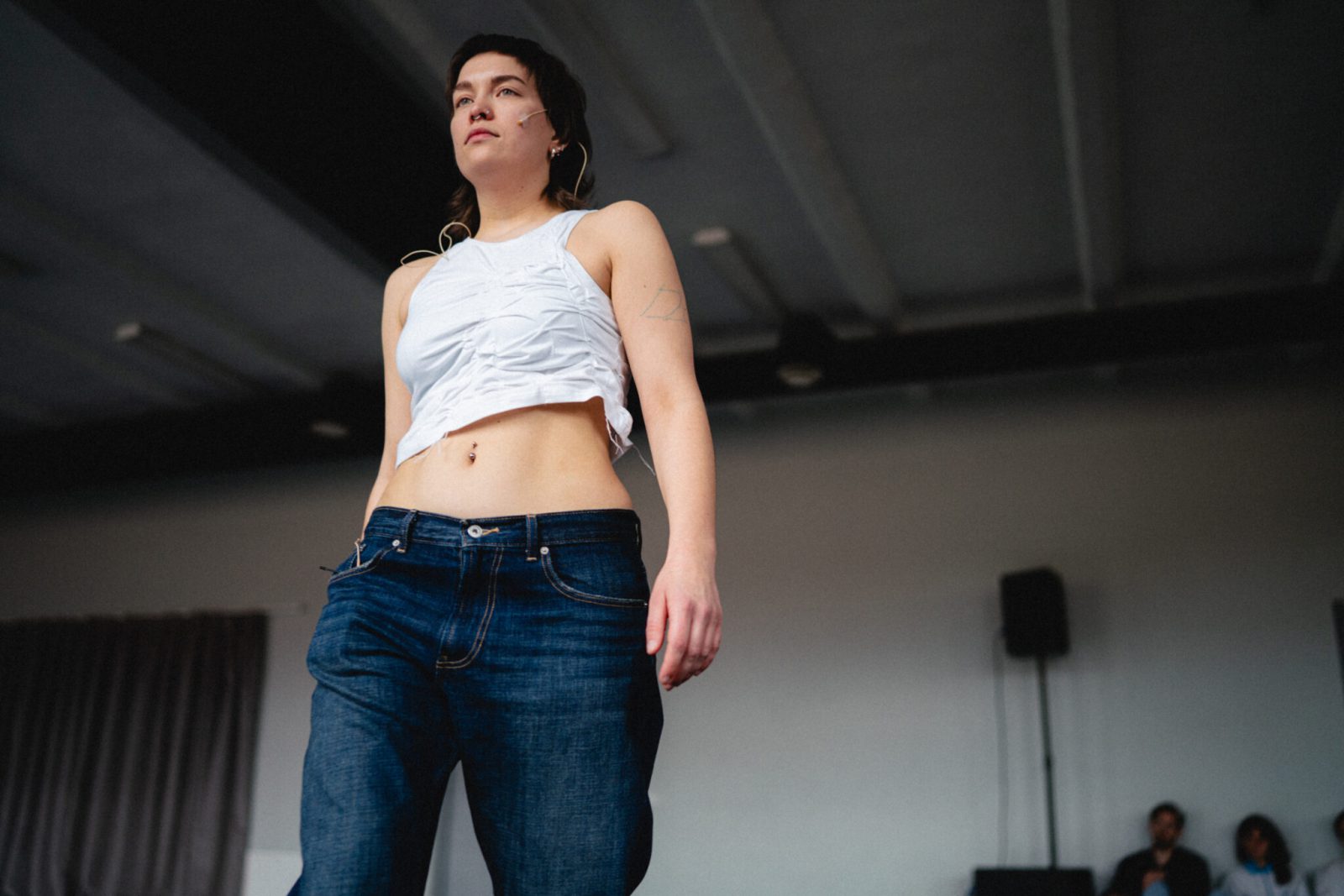
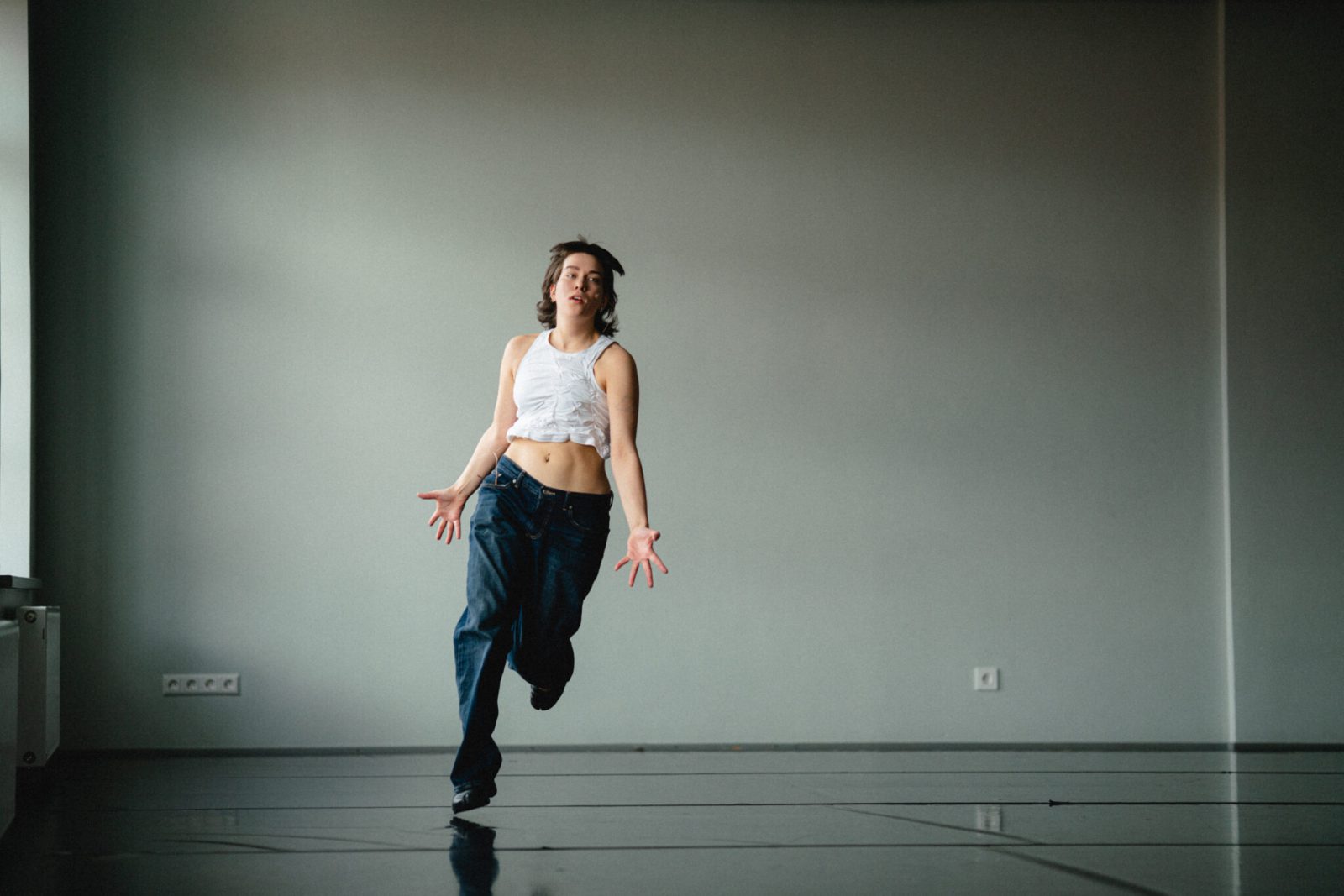
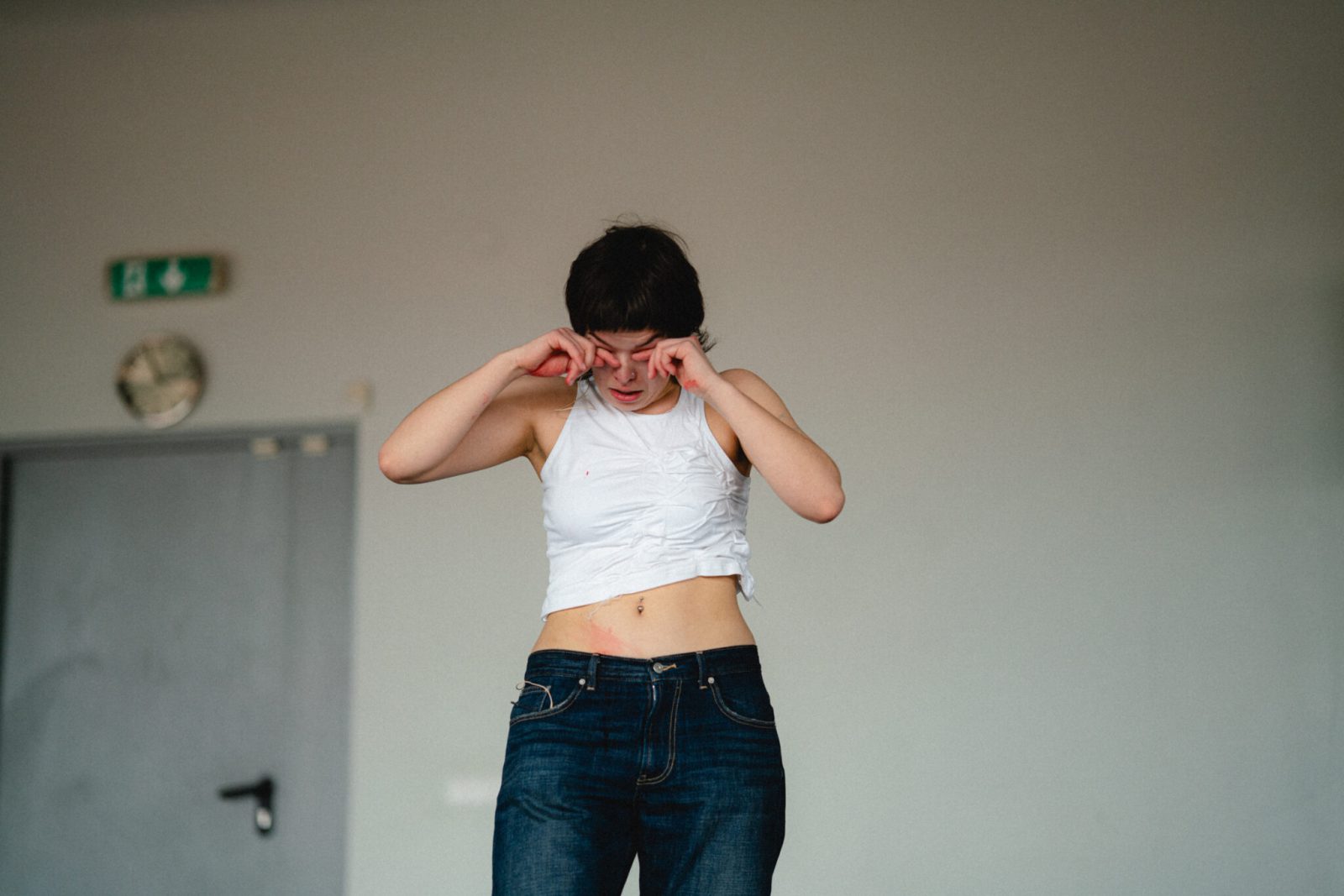
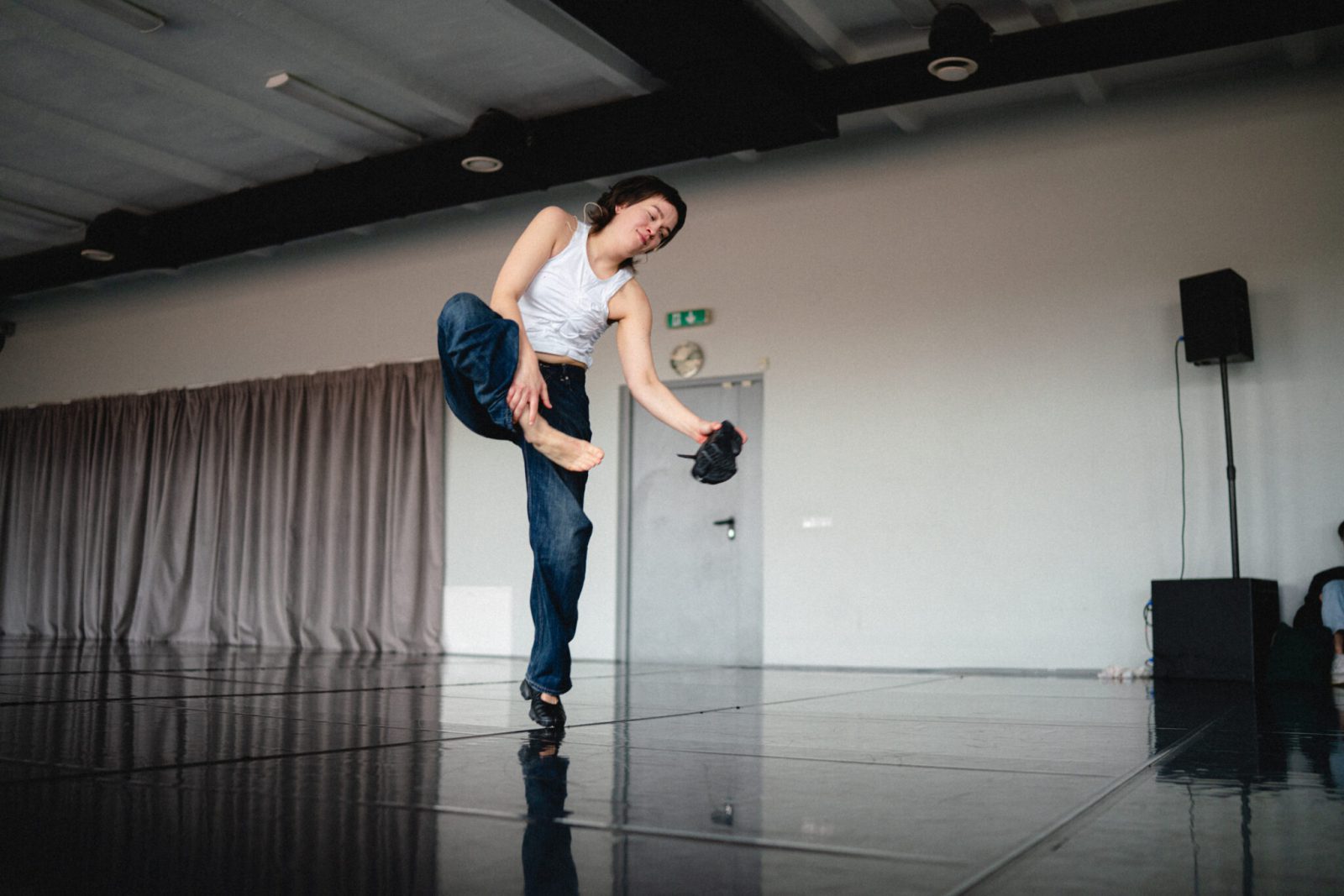
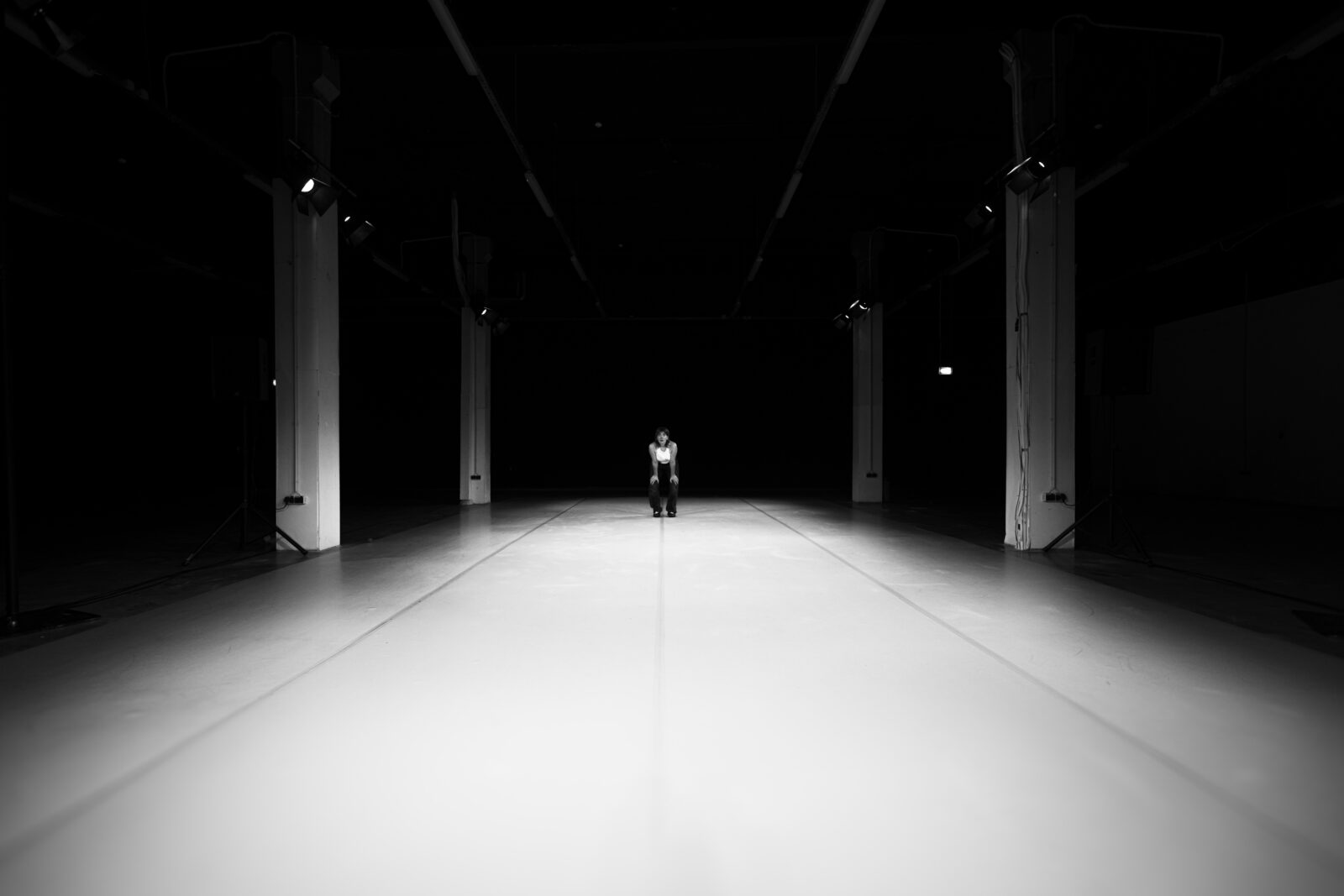
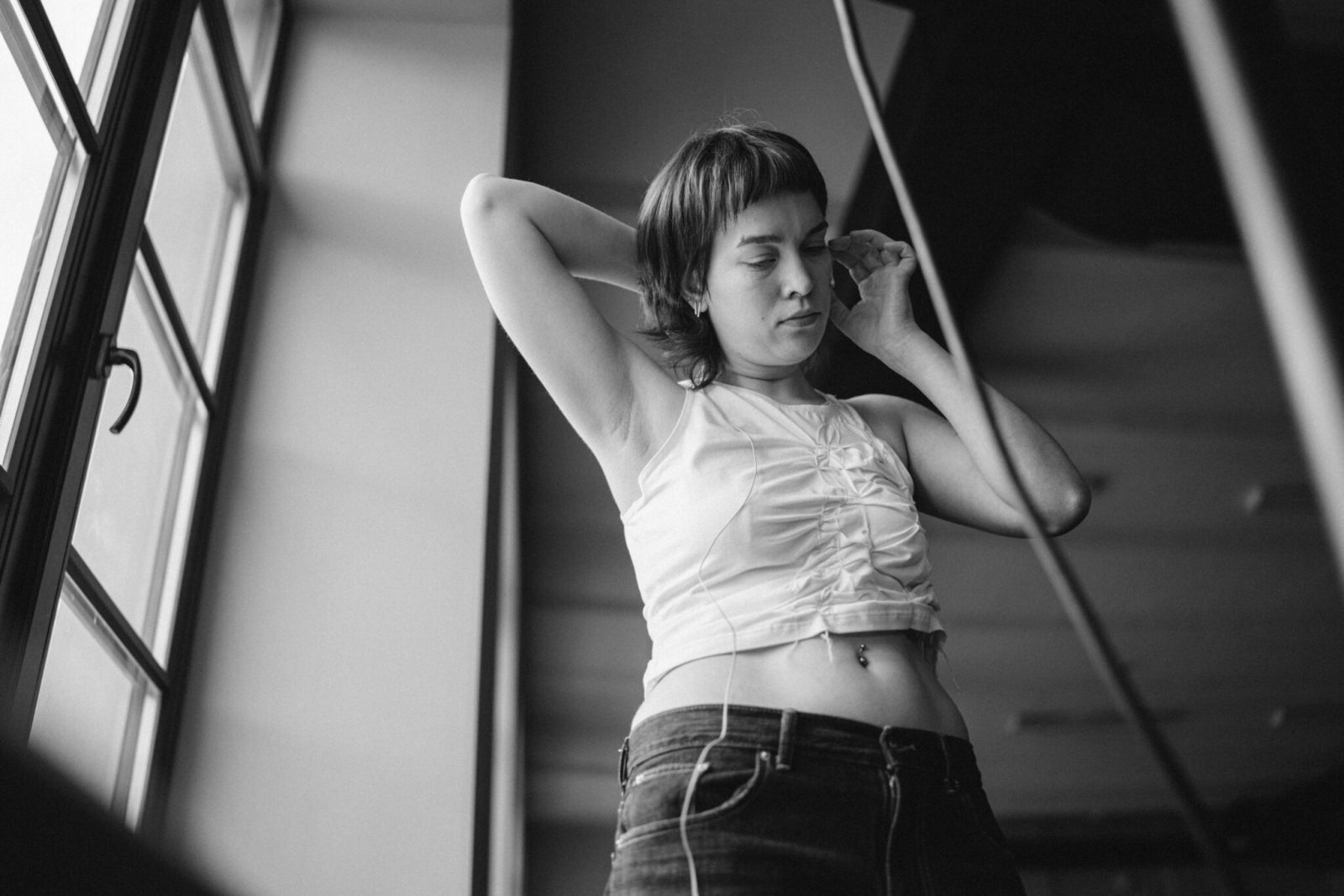
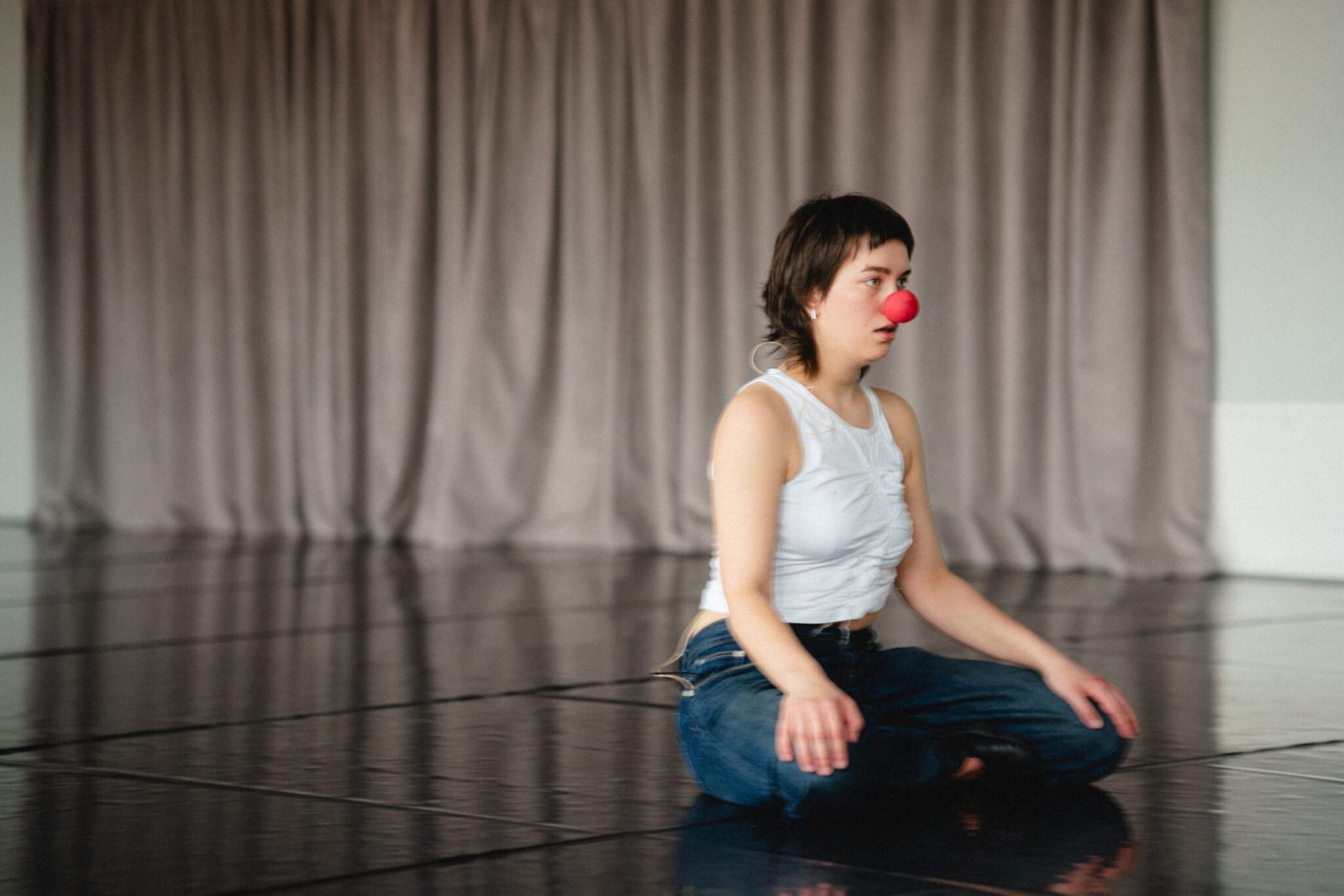
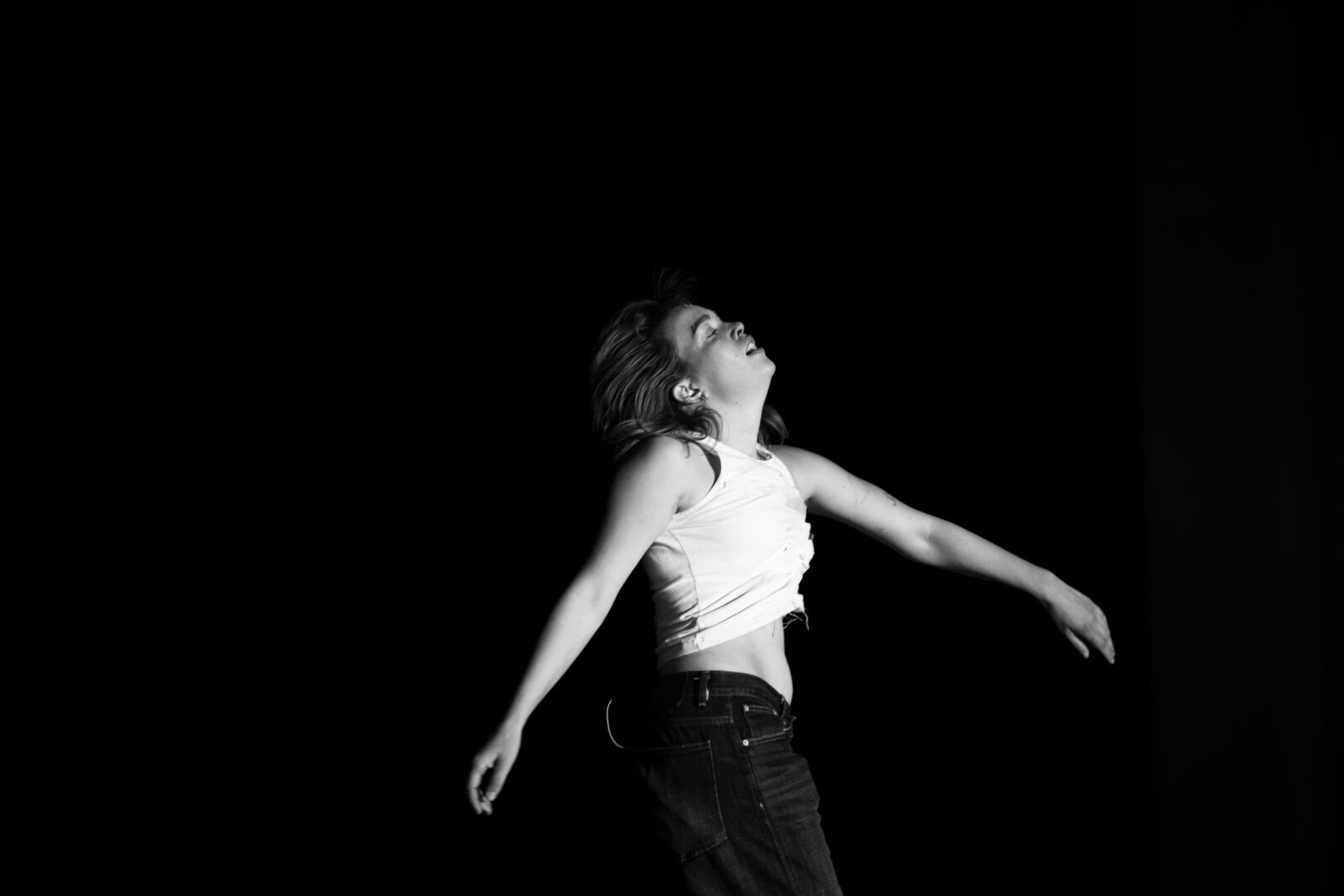
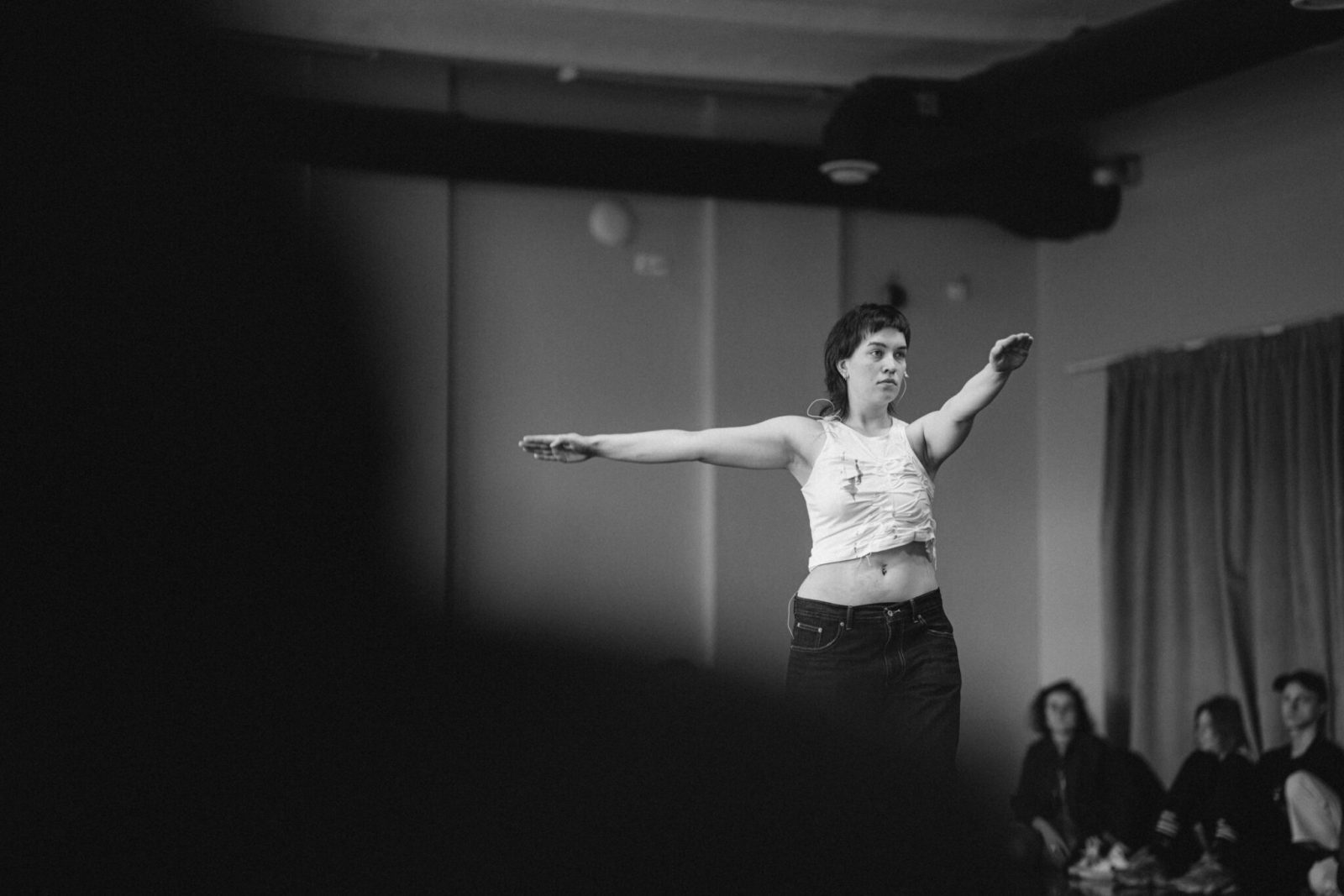
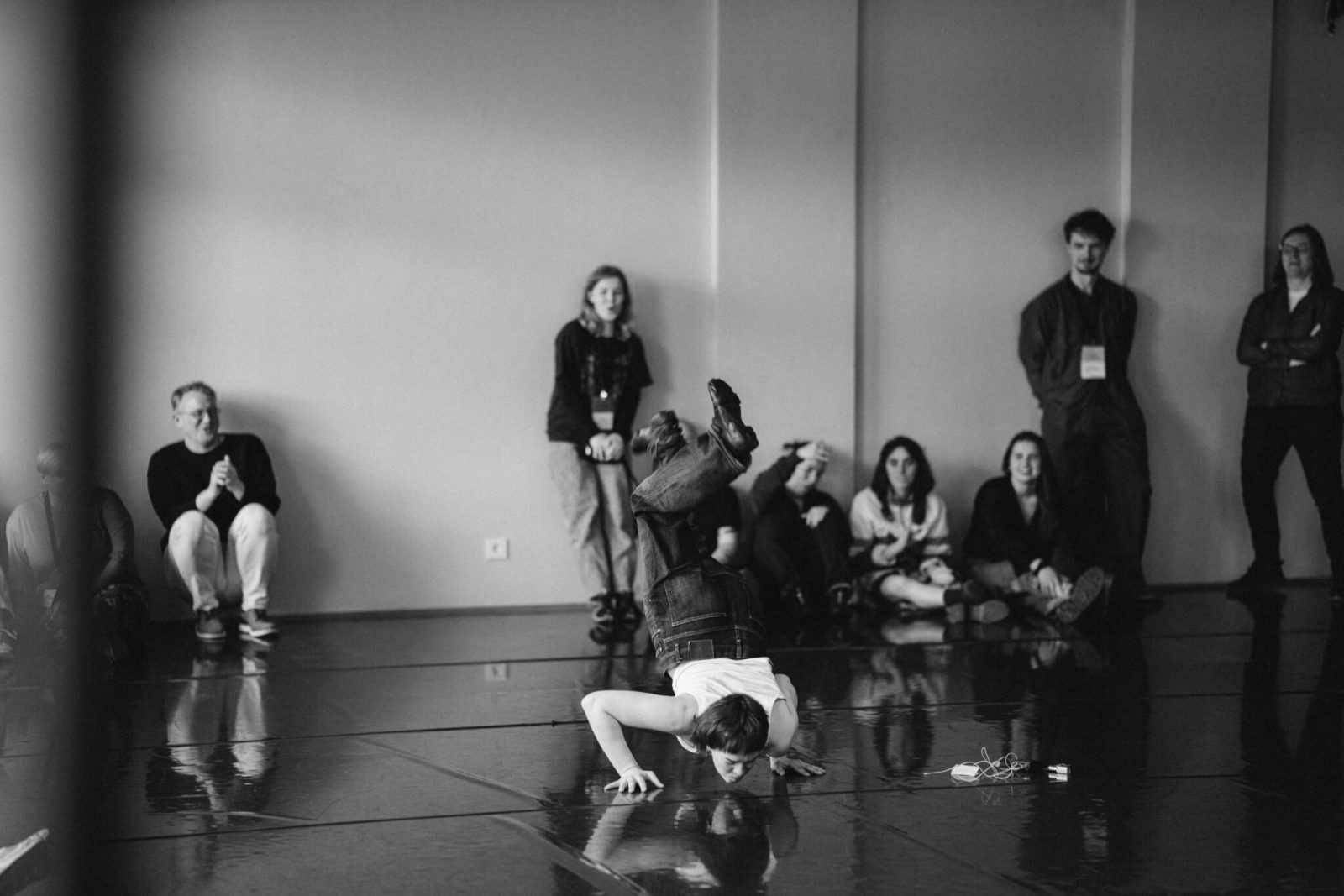
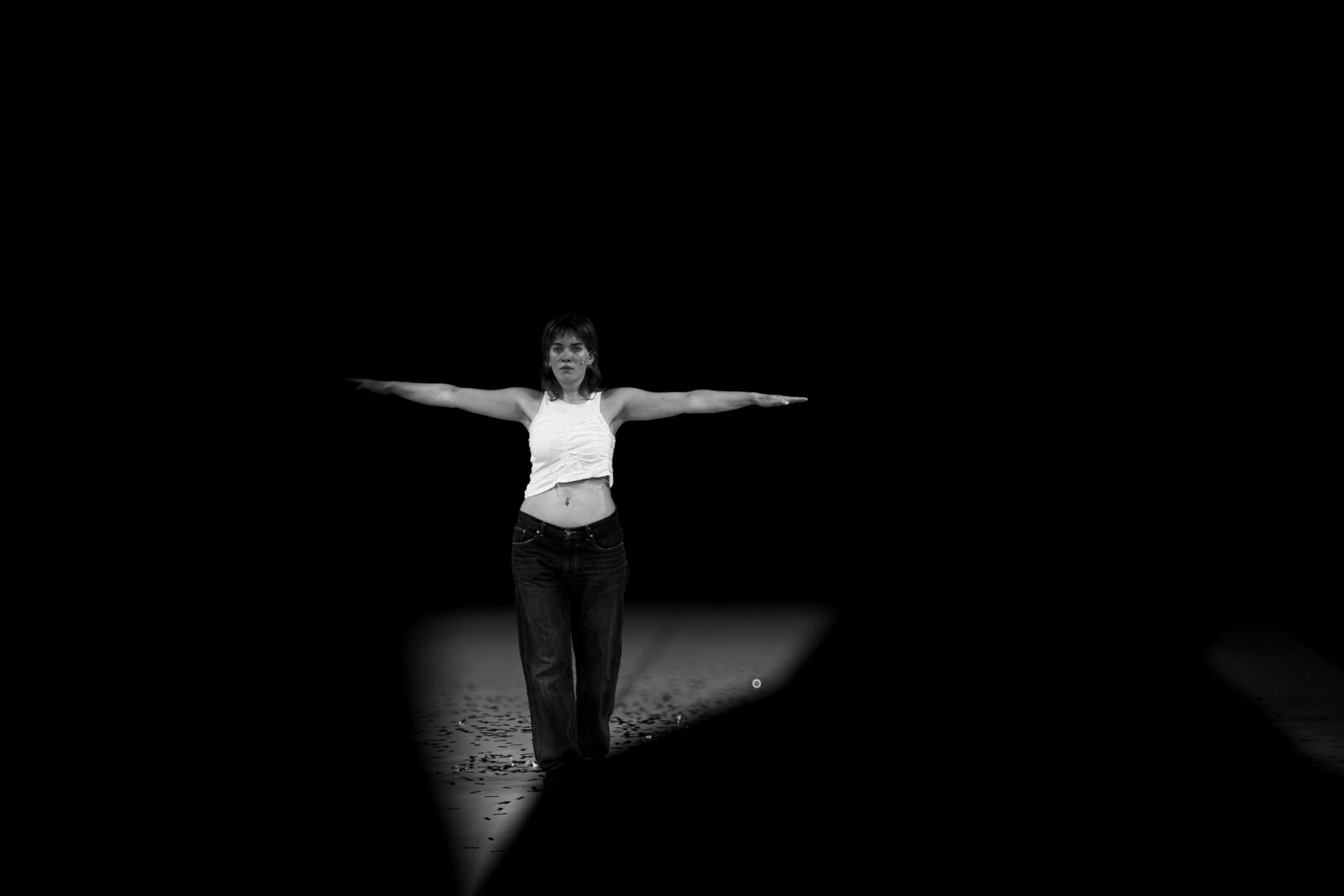
A bit more than 3 years ago Nele sent an application to a MA in choreography and performance. When she applied, she did not know that the emphasis was on choreography. She thought she was going to study performance, but found herself among people who lived and breathed dance. Now she is about to graduate, and it’s about time that she too gets to know what this is really all about… What is dance, what is choreography, and what do they have to do with one another?
She invited 10 people to be the choreographers of this piece. She asked them to give her a dance. Some of them have everything to do with dance, some of them have nothing to do with dance, but they all have something to do with Nele, or Nele with them. Among them, Nele’s mother, ex-boyfriend and best friend, but also professor Xavier Le Roy, Czech dancer Tereza Ondrova and Nele’s favourite Estonian artist Anu Vahtra.
REVIEW BY LAURA JASMANE (dance.lv)
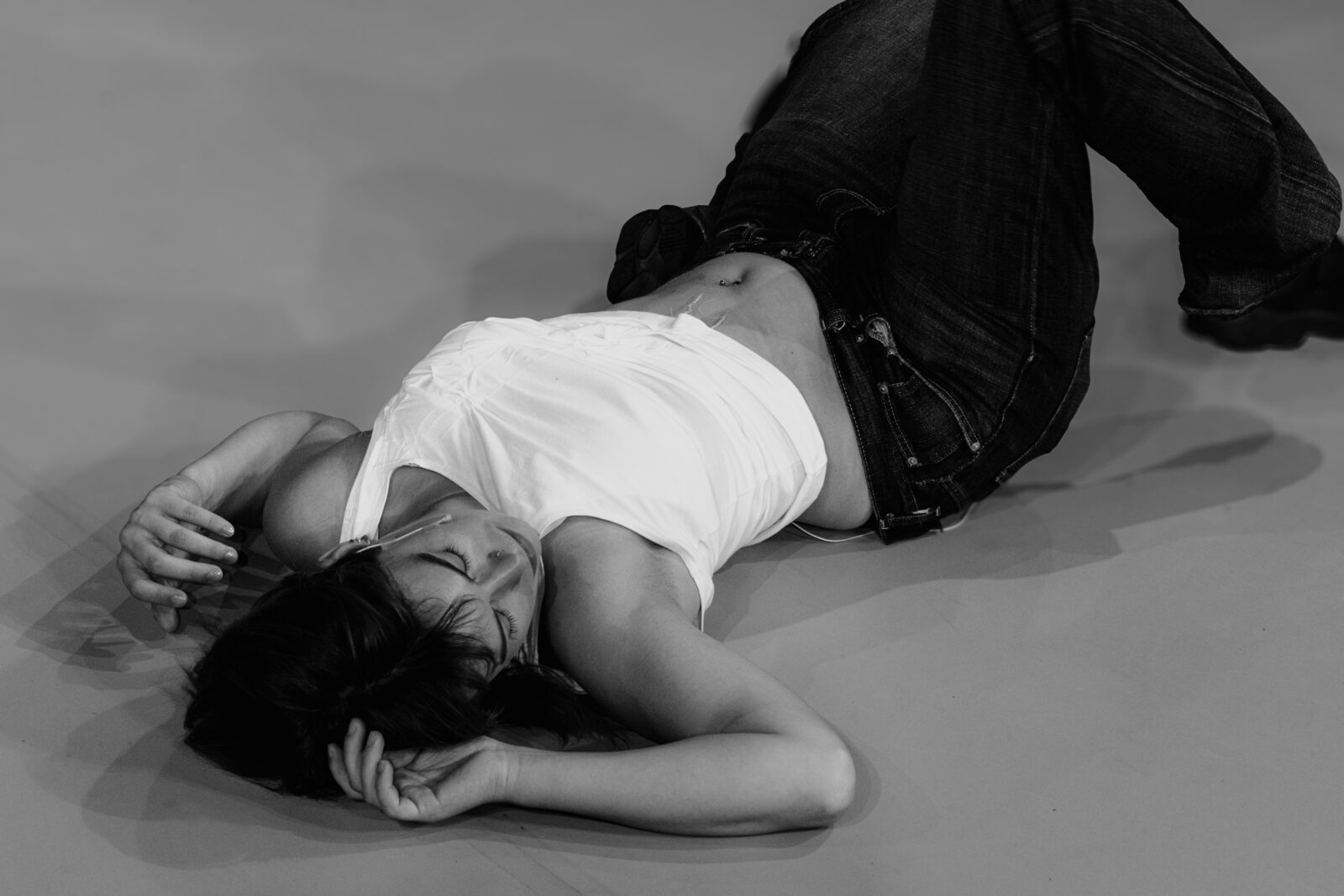
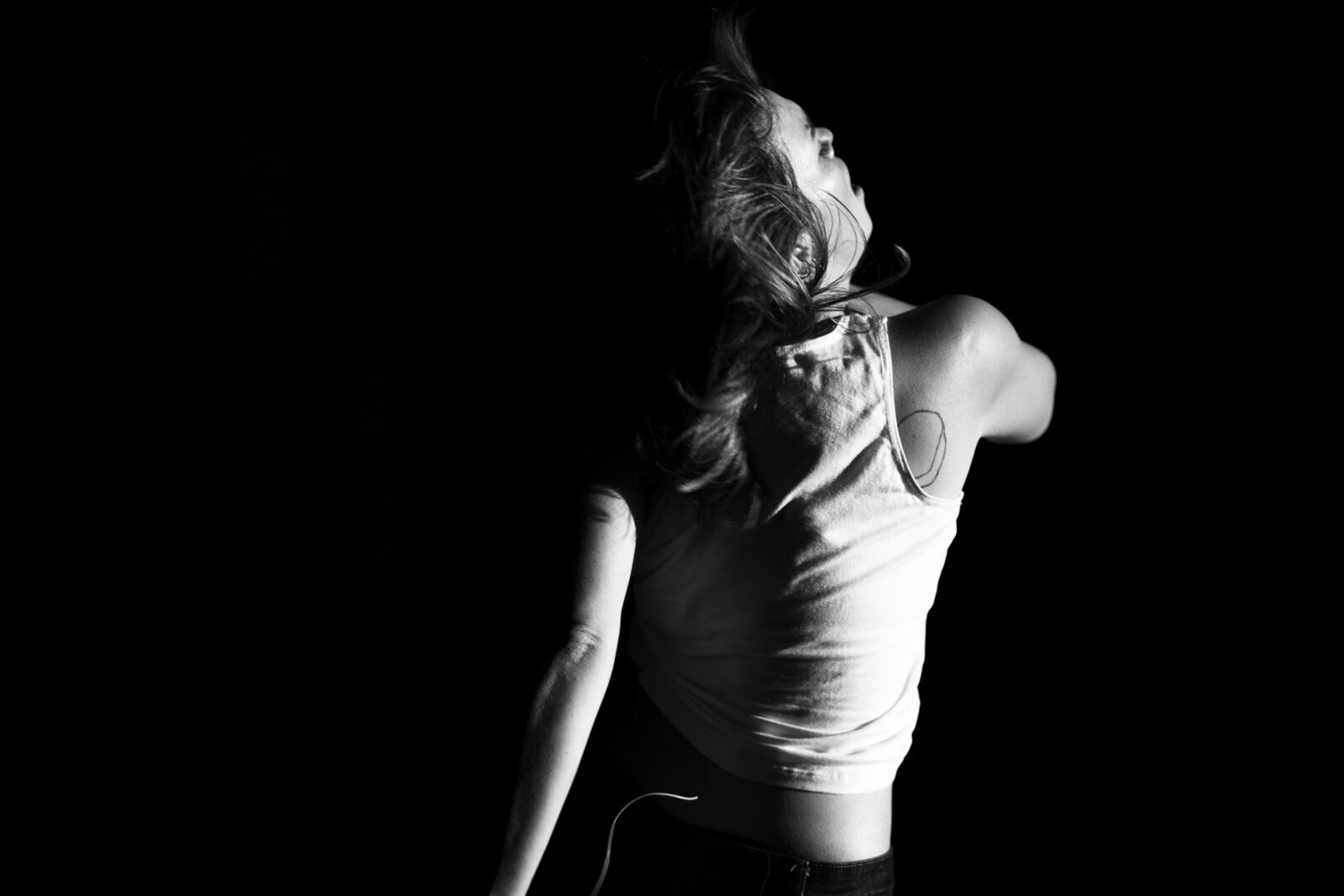
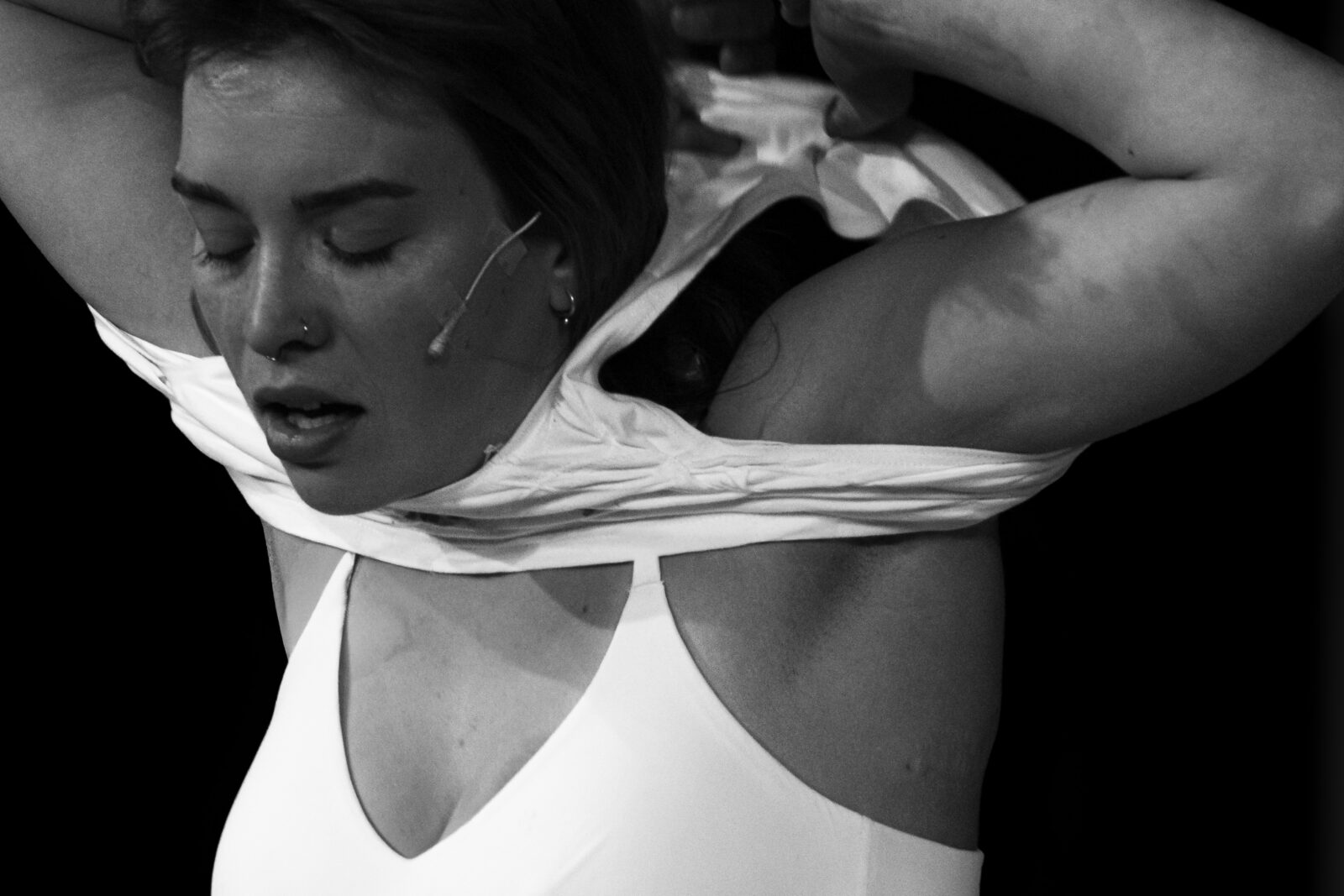
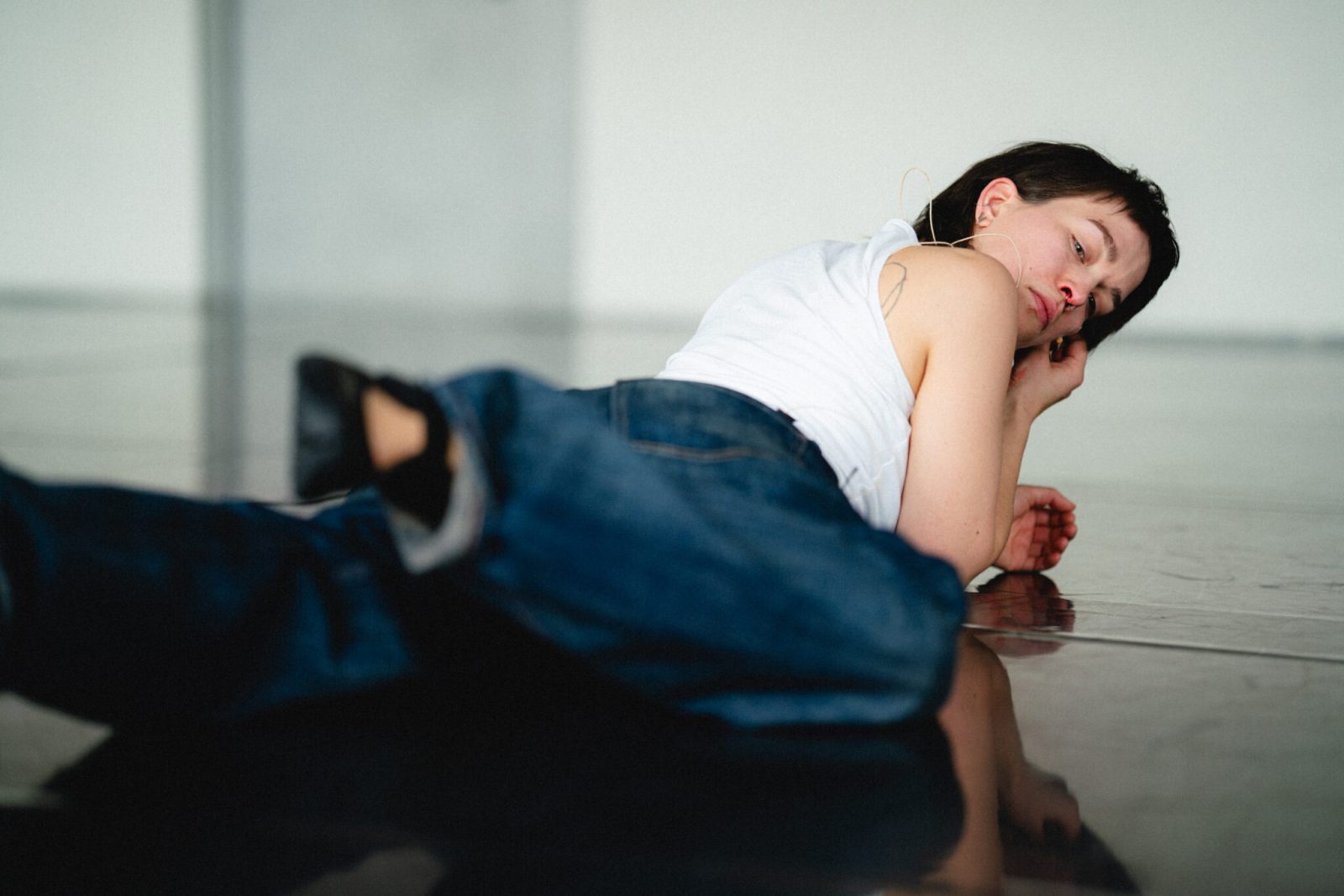
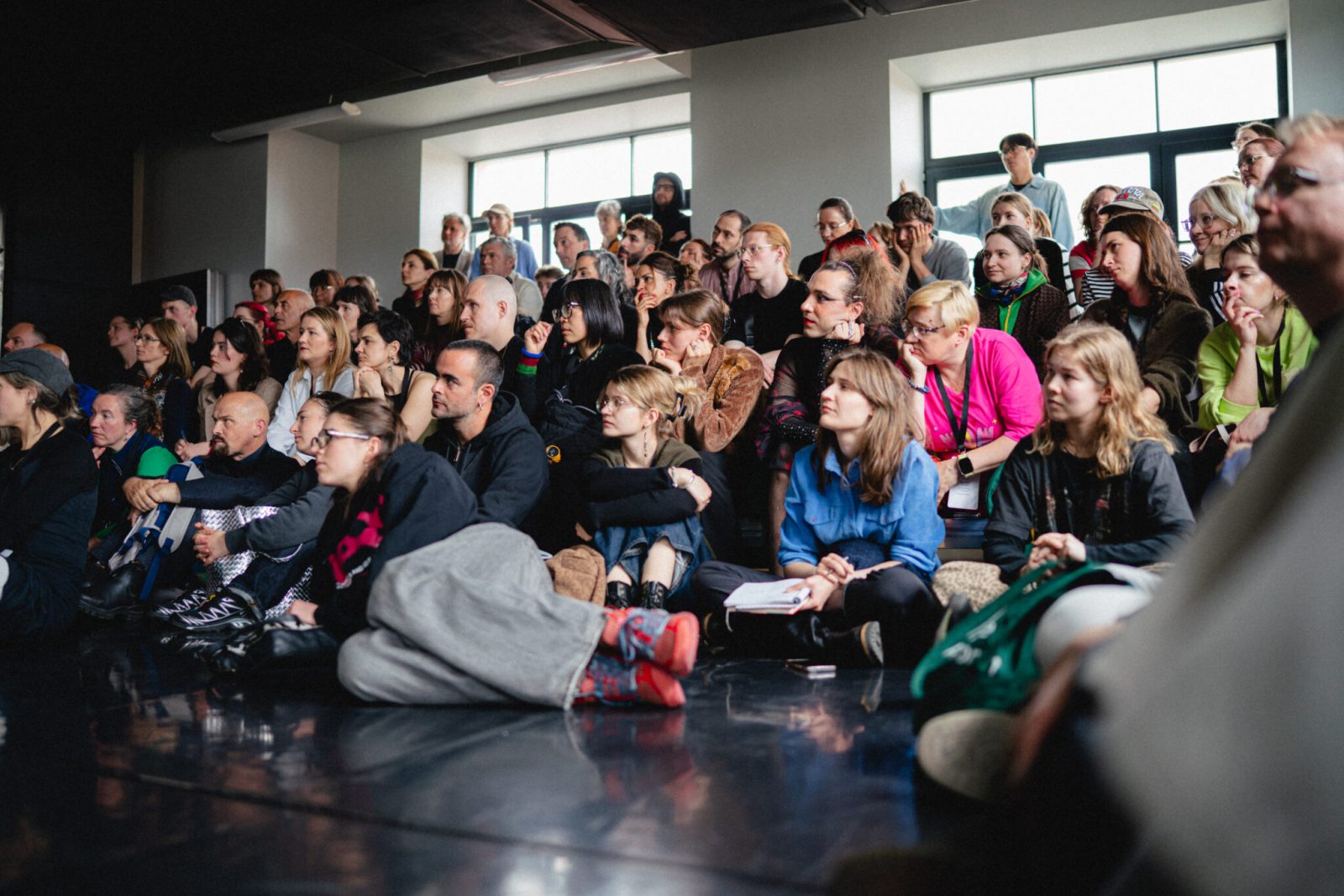
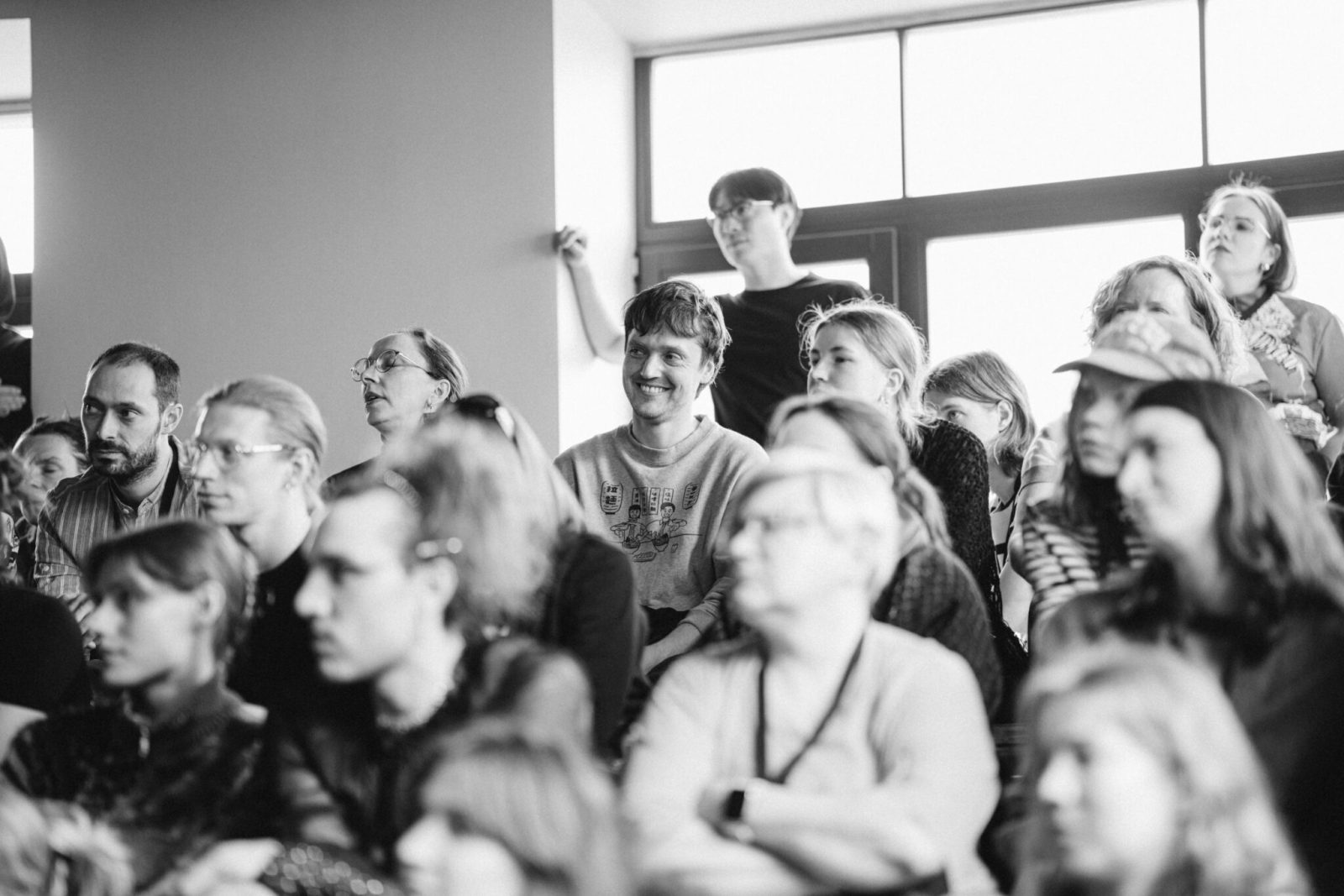
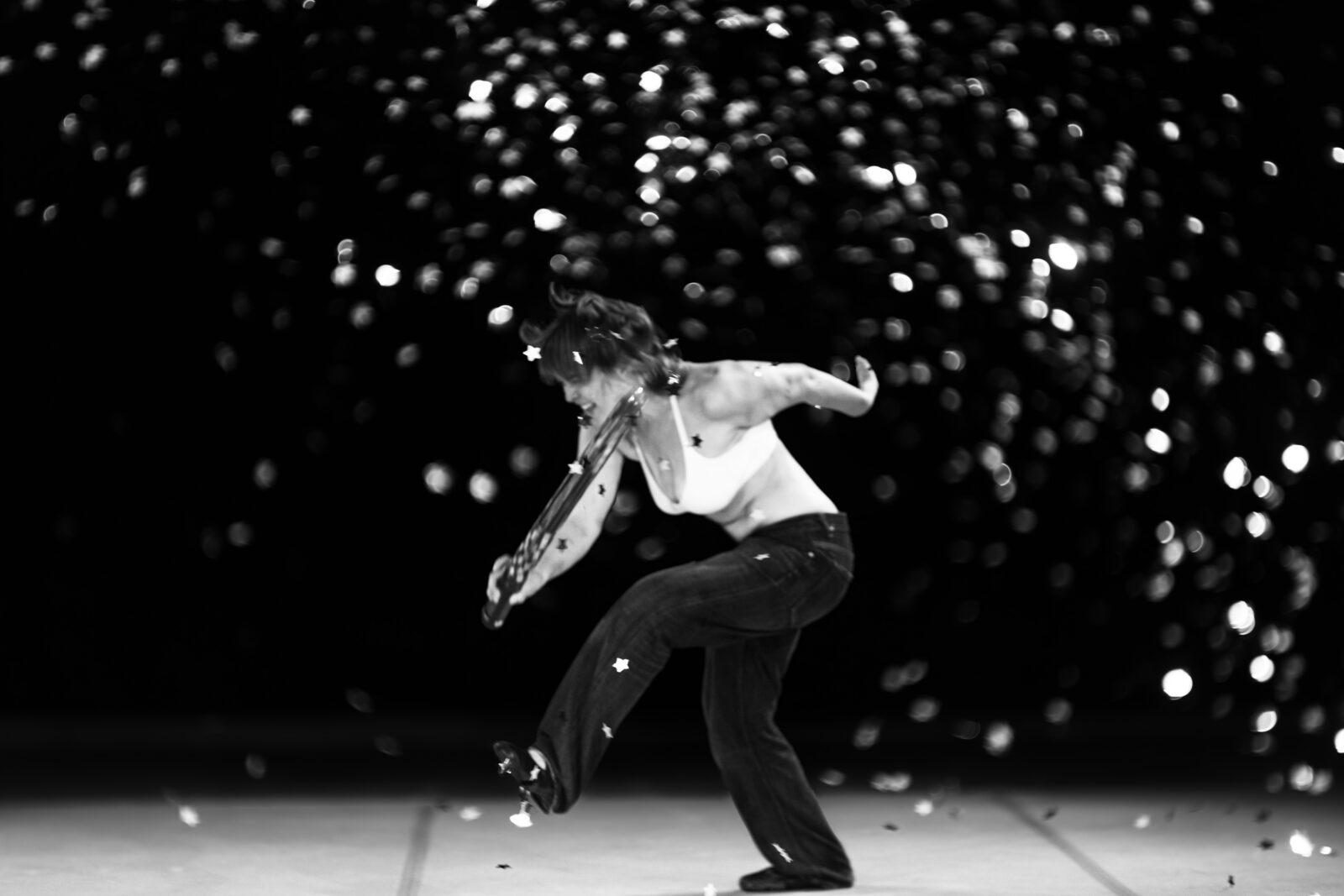
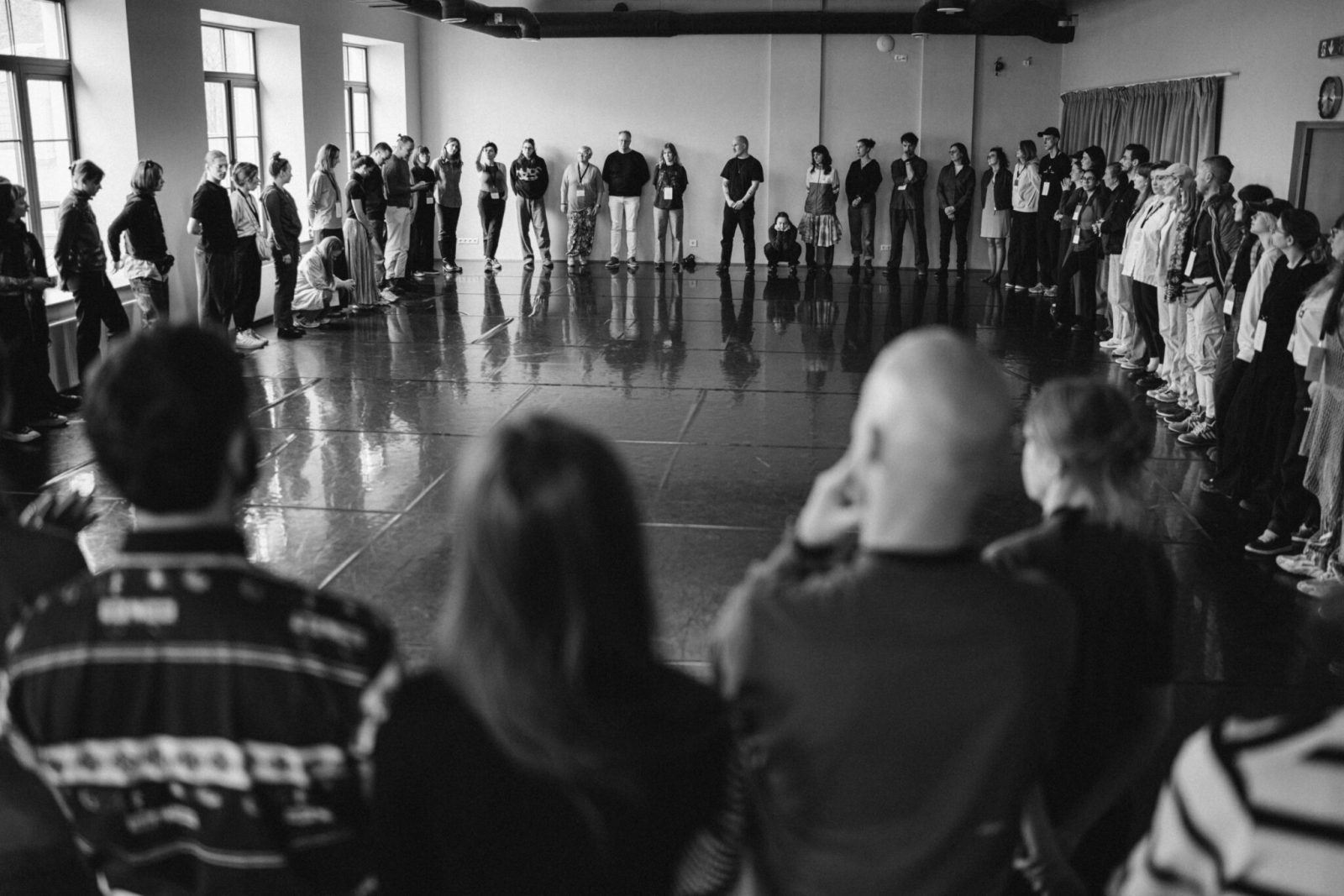
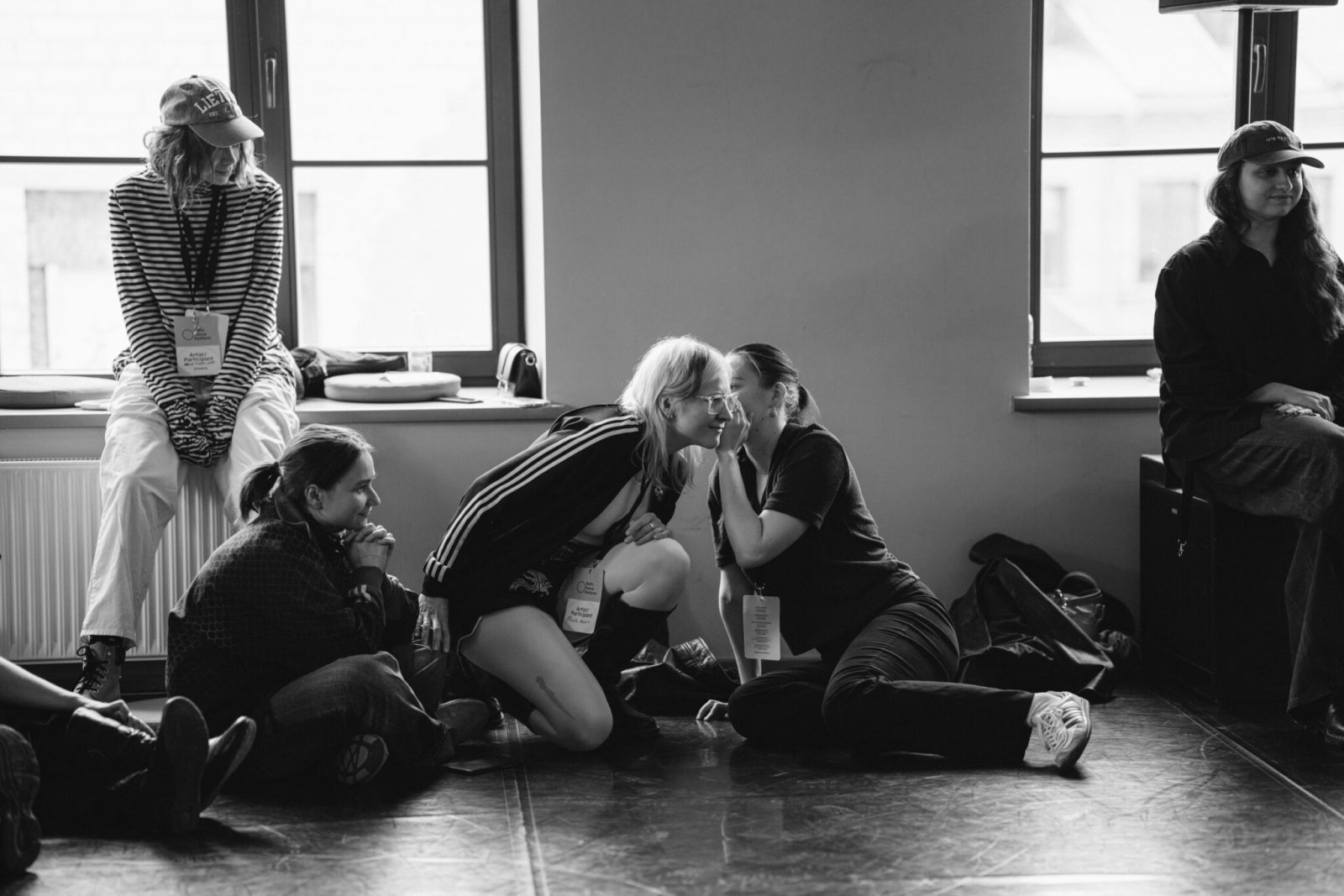
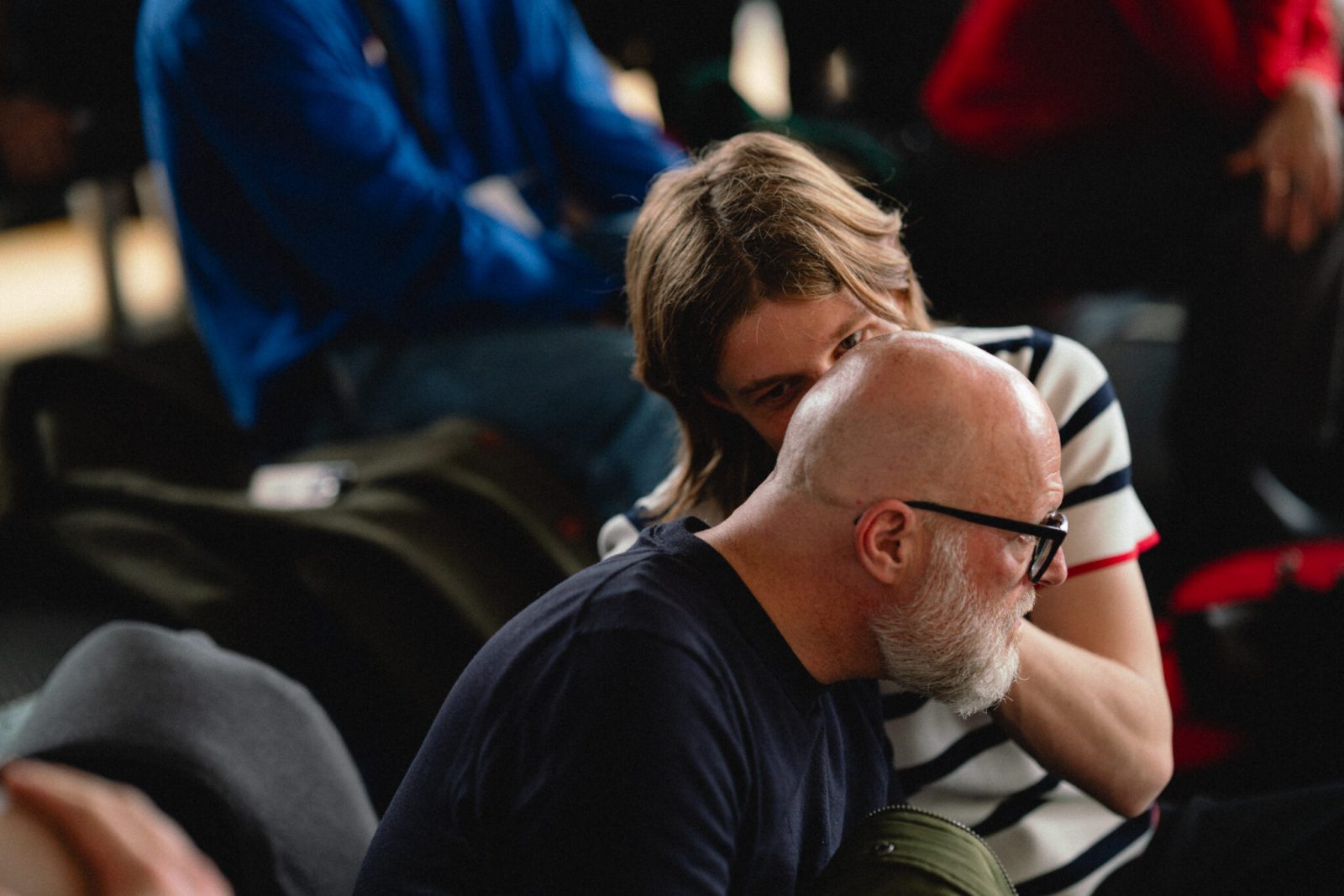
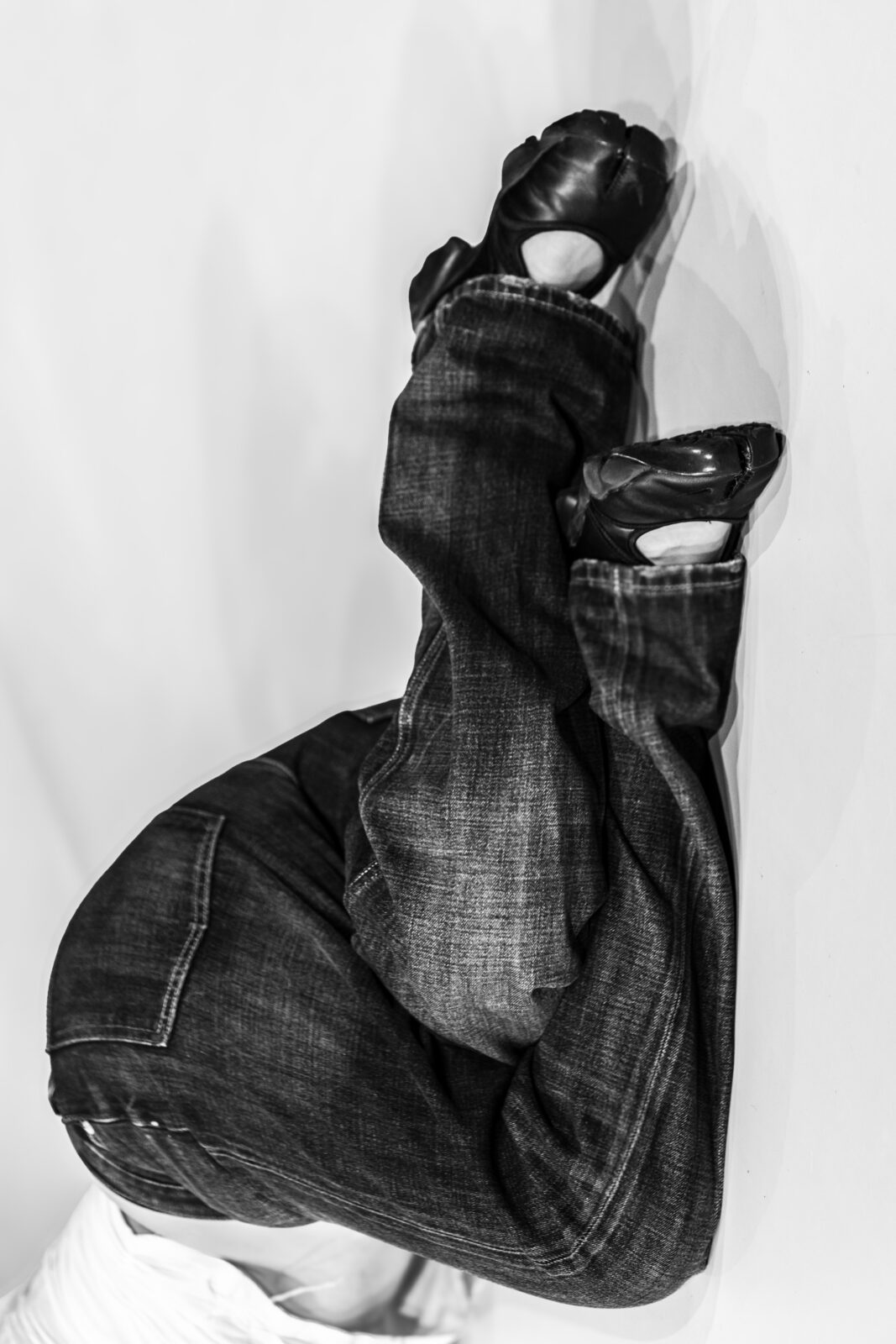
“10 Ways to Dance,” is a masterpiece of dance dramaturgy. /—/ Nele admits that she doesn’t really know how to dance and that she has entrusted the creation of the choreography to other people – a colleague, a teacher, her mother, a random visitor to the show. The audience also becomes vulnerable, who after this performance taking place in the rehearsal hall no longer knows what exactly was staged in it and what was unintentionally played out. In this series of events, the artist breaks down the layers of dance: choreography can not only be danced, it can also be imagined, it can be ashamed of, it can be stolen, misunderstood, not heard in words that a stranger has whispered in your ear.
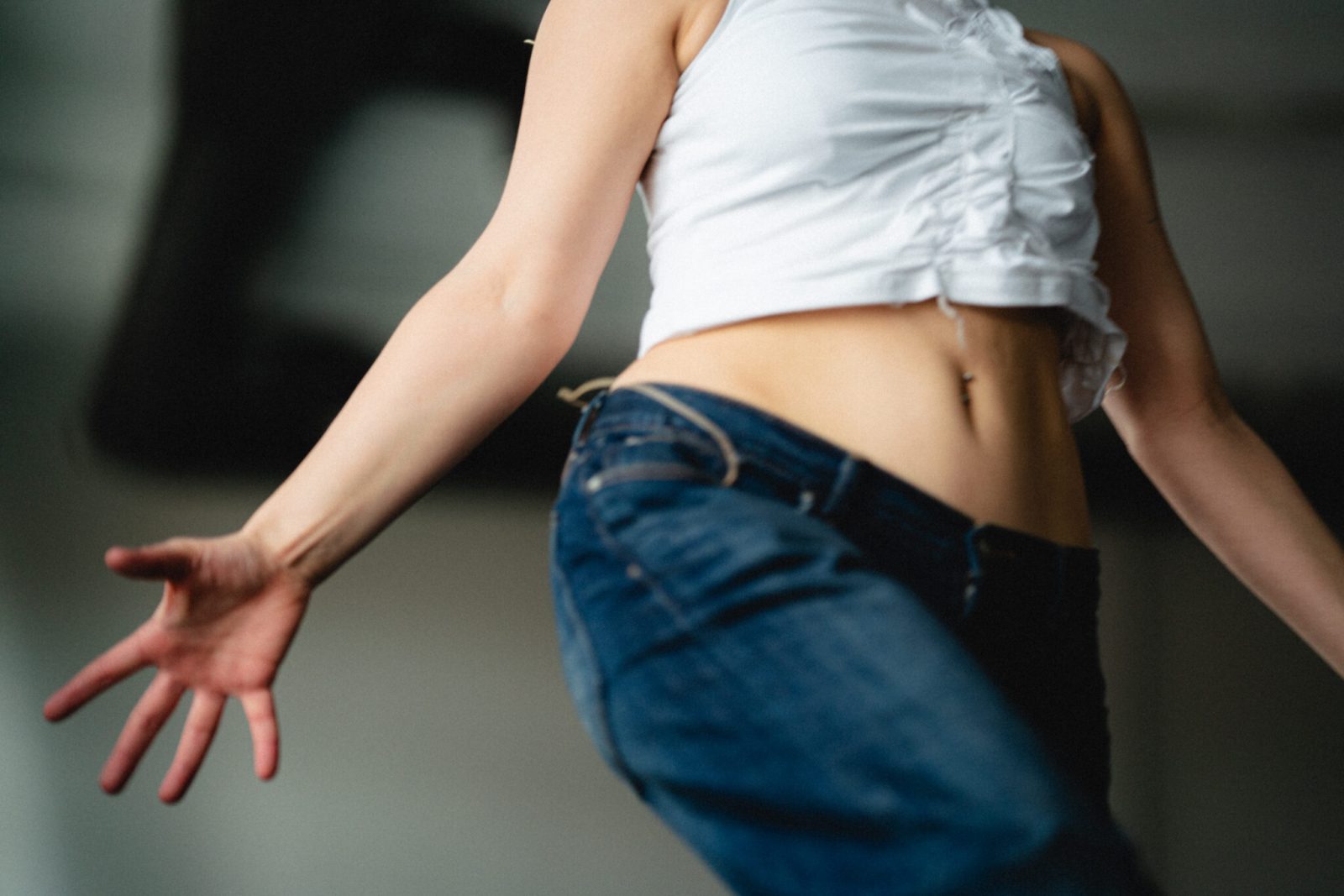
Nele deconstructs the “dance” in order to rebuild it, to make it as touching and delightfully simple as her determination to learn the “worm” movement . Perhaps for many dance professionals who themselves once frantically tried to master the “cart”, headstand or splits, it is a nostalgic memory that allows us to return to our “roots” at the end of the platform. We experience a full, warm cycle of empathy and compassion – from Nele to ourselves and back to her. It turns out that utopia can exist – it can happen in the rehearsal hall. Where else are there so many open opportunities?